Stop typing the same flight three times.
Plan the flight, assign the crew with their licence, medical and currency already in front of you, and let the pilots fill in the actual times. Signing it once updates the pilot's logbook, their duty totals and the aircraft's hours — so operations and maintenance stop keeping separate books.

- CREWASSIGNED
- DUTY TODAY6h40 OF 14h
- LICENCESCURRENT
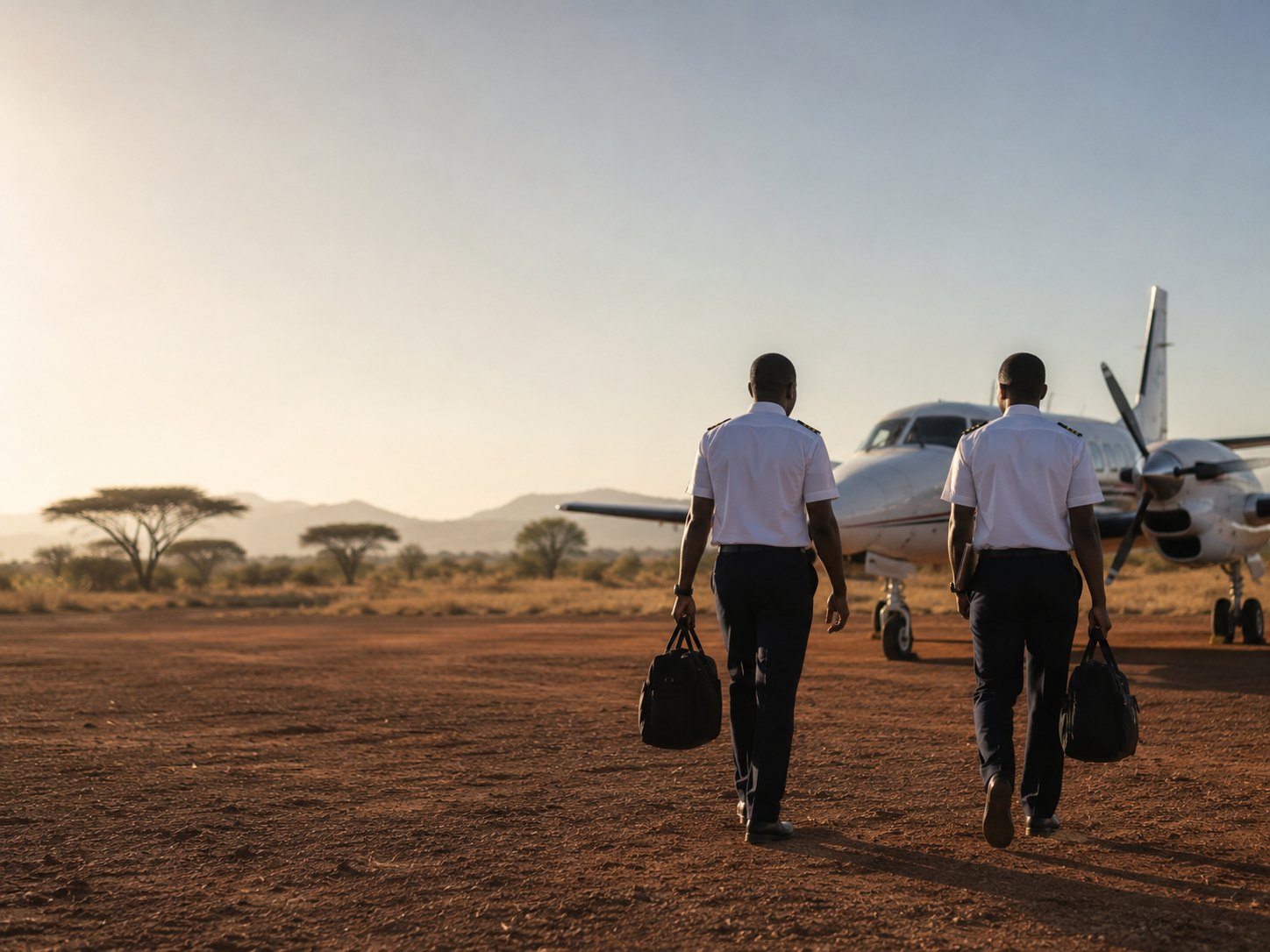
Operations and maintenance keep separate books.
Once into the ops sheet, once into the pilot's logbook, once into the maintenance return. Three chances to differ, and the aircraft's hours are whichever one somebody trusted.
Whether the captain is night-current, or whose medical lapses next week, is a question asked after the roster is built rather than while it is being built.
Flight duty periods, cumulative limits and rest are counted by hand, and the count is only as fresh as the last person to update the file.
What is live today.
Plan the flight, assign the crew.
Every planned flight with its crew, and each person's licence, medical and currency shown while you are choosing them — not discovered afterwards. The pilot opens the flight on their own phone and fills in the times actually flown.
Licences, medicals and ratings that expire out loud.
Every licence, rating, medical and authorisation with its expiry, surfaced before it bites. The file belongs to the pilot and travels with them between operators — one invite, not a re-keyed personnel folder.
Duty that counts itself.
Signing a flight creates the duty period by itself, report and release time included, so flying hours are never typed in twice. Limits are set per operator, because KCAA can approve a scheme specific to you. These figures advise — nothing here grounds a flight on its own.
The first officer fills it in; the captain signs.
A first officer fills the flight in on their own phone, on behalf of the captain, who confirms and signs on theirs. The moment it is signed the hours reach the aircraft's running totals — so the record maintenance works from is the one the crew actually signed, not a copy of it.
Meet Neema.
Neema is here to help — the assistant built into every WingsPath screen. Ask a question in your own words about your records; Neema answers from what's actually on file, cites the source document, and says plainly when the evidence isn't there instead of guessing a number, a date or a serial.
The same assistant also answers questions about using WingsPath itself, so nobody on your team is stuck reading a manual mid-shift.
"Who is night-current for tomorrow's Malindi rotation?"
The flight operations planned, the one the pilot signed and the hours maintenance counts are the same record — not three systems reconciled every night.
A first officer can prepare the whole record, but the signature is the captain's own session and nobody else's.
A signed flight is never edited. An amendment creates a new version and posts a correction, so the history stays true.
Personal records sit behind their own isolation rule — an operator sees the crew who fly for them, and no further.
Fly it once, record it once.
The flight board, crew records and duty tracking are live today; rostering and flight following are next. Tell us how you dispatch and we will set you up.